Why a Safari Outside the Great Migration Can Be Even More Rewarding
The Great Migration Is Incredible, But It Is Not the Only Time to Experience Africa
When most travelers think of an African safari, their minds immediately jump to the Great Migration in Kenya's Masai Mara and Tanzania's Serengeti. Images of thousands of wildebeest crossing crocodile-infested rivers have become iconic symbols of African wildlife tourism.
While the Migration is undoubtedly one of nature's greatest spectacles, it has also created a misconception that the best safari can only happen during migration season. The reality is very different.
Africa's wilderness is alive every day of the year. Predator hunts unfold at sunrise, elephants gather around watering holes, newborn animals take their first steps, and dramatic landscapes transform with changing seasons. A safari beyond the migration offers unique wildlife encounters, fewer crowds, exceptional value, and a more intimate connection with nature.
For travelers seeking authentic experiences, quieter game drives, and remarkable wildlife sightings, exploring Africa outside the migration season can be one of the most rewarding travel decisions they make.
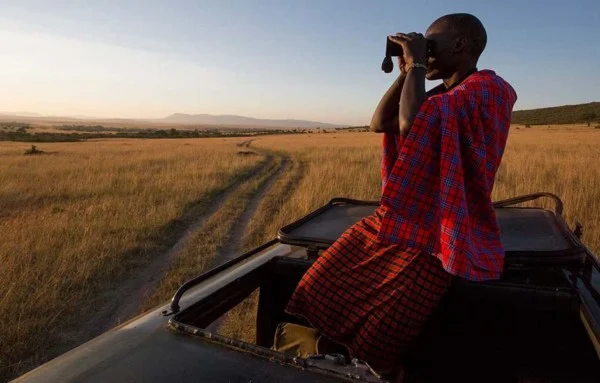
A Masai Moran on top of a 4*4 open Jeep in the vast Mara Savannah.
Understanding the Safari Seasons
The safari calendar is often divided into high, shoulder, and low seasons.
High Season
High season typically coincides with the Great Migration and major holiday periods. During this time lodges and camps operate at maximum occupancy, the popular wildlife viewing areas become crowded, accommodation rates are at their highest and advance booking is often required months ahead.
Shoulder Season
The shoulder season falls between peak and low periods. It offers pleasant weather conditions, moderate visitor numbers, excellent wildlife viewing and attractive accommodation rates.
Low Season
The low season often aligns with rainy periods. Contrary to common assumptions, this season provides extraordinary safari experiences, including lush green landscapes, fewer vehicles around wildlife sightings, reduced accommodation costs, increased bird activity and opportunities to witness newborn animals.
For many seasoned safari travelers, the low and green season is actually their preferred time to visit.
The Magic of the Green Season Safari
One of Africa's best-kept secrets is the Green Season.
After seasonal rains arrive, the landscape undergoes a dramatic transformation. Dry plains become vibrant carpets of green, rivers flow abundantly, and vegetation flourishes.
Photographers particularly love this period because the scenery is more colorful, dramatic cloud formations create stunning skies, the dust is significantly reduced and the wildlife appears against lush backdrops.
safariwildlifemigrationtravelkenyan safari
P
Phine Holidays
Travel writer and safari enthusiast sharing insights about African wildlife and adventure experiences with travelers worldwide.
The Green Season reveals a side of Africa that many migration-focused travelers never experience. Instead of endless dusty plains, visitors encounter a thriving ecosystem bursting with life.
Exceptional Wildlife Viewing Without the Crowds
A common myth is that wildlife disappears outside migration months.
In reality, resident wildlife remains present year-round. Kenya's national parks and conservancies are home to permanent populations of lions, leopards, cheetahs, elephants, buffalo, giraffes, zebras, hyenas, hippos, crocodiles, millions of bird species … you name it.
These animals do not migrate away. In fact, safari guides often report better wildlife experiences during quieter months because there are fewer vehicles competing for sightings.
Imagine spending thirty minutes observing a leopard resting in an acacia tree without dozens of vehicles surrounding it. These moments are far more common outside peak migration periods.
Witness the Baby Boom Season
One of the most captivating reasons to travel beyond migration season is the opportunity to witness newborn wildlife. Following seasonal rains, food becomes abundant, triggering breeding cycles across many species.
Visitors may encounter newborn impalas, young gazelles, elephant calves, zebra foals, baby warthogs, young wildebeest and other new life in the wild. The abundance of vulnerable young animals also creates exciting predator-prey interactions.
Lion prides become more active as they take advantage of increased hunting opportunities. Cheetahs patrol open grasslands in search of prey, while leopards become especially strategic in protecting their territories. The cycle of life unfolds dramatically across the African wilderness.
Birdwatching Reaches Its Peak
For bird enthusiasts, low season can be the absolute best time to visit. Millions of migratory birds arrive from Europe, Asia, and other parts of Africa. Kenya alone hosts more than 1,100 bird species, making it one of the world's leading birdwatching destinations.
Popular sightings include flamingos, kingfishers, bee-eaters, fish eagles, secretary birds, hornbills, rollers, sunbirds, lilac breasted rollers (Kenya’s national birds), vultures and so many other birds.
The vibrant breeding plumage displayed during this period makes bird photography particularly rewarding. Even travelers primarily interested in mammals often find themselves captivated by the extraordinary birdlife.
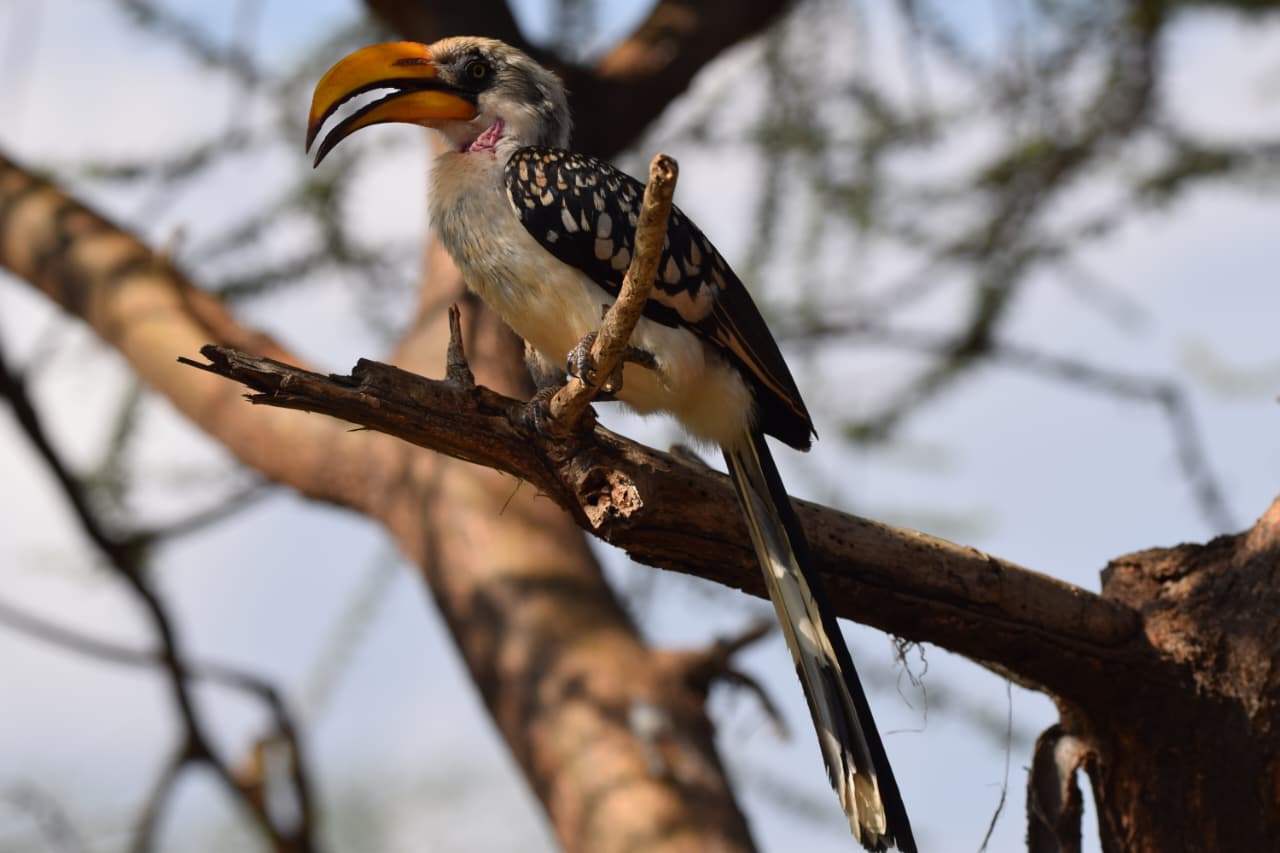
An Eastern Yellow Billed Hornbill aka flying bananas due to their large beak photographed at Samburu National Park in Kenya.
Better Safari Value and Luxury for Less
One of the biggest advantages of traveling outside the migration season is affordability. Many luxury lodges and tented camps offer significant discounts during shoulder and low seasons.
Travelers can often enjoy upgraded accommodations, longer stays, private game drives, exclusive experiences and better availability.
A safari that may be financially challenging during peak migration months can become much more accessible outside those periods. This allows guests to experience premium lodges, exceptional service, and world-class wildlife viewing without peak-season pricing.
Explore Lesser-Known Safari Destinations
The focus on the Migration often overshadows some of Africa's most spectacular safari destinations. Traveling beyond migration season creates opportunities to discover remarkable parks and conservancies.
Tsavo National Parks
Tsavo East and Tsavo West offer vast wilderness areas, red elephants, volcanic landscapes, and excellent predator sightings.
Amboseli National Park
Famous for its massive elephant herds and breathtaking views of Mount Kilimanjaro, Amboseli delivers unforgettable wildlife encounters throughout the year.
Samburu National Reserve
Located in northern Kenya, Samburu is home to unique species often called the "Samburu Special Five". The grevy's Zebra, reticulated Giraffe, somali Ostrich, beisa Oryx and gerenuk.
Laikipia Conservancies
Laikipia offers exclusive safari experiences, conservation success stories, and exceptional opportunities to see endangered wildlife.
Meru National Park
A hidden gem featuring diverse ecosystems, rich wildlife, and fewer visitors than Kenya's more famous parks. These destinations provide extraordinary safari experiences regardless of migration timing.
Enjoy a More Exclusive Safari Experience
During migration season, some famous crossings can attract dozens of safari vehicles. Outside peak periods, the atmosphere changes completely.
Guests often enjoy private wildlife sightings, personalized guide interactions, greater flexibility during game drives, uninterrupted photography opportunities and of course a deeper connection with nature. The wilderness feels more authentic when it is shared with fewer people.
Many travelers return from low-season safaris describing them as more peaceful, immersive, and memorable than peak-season experiences.
Photography Opportunities Improve Dramatically
Wildlife photographers often favor shoulder and low seasons for several reasons.
The softer light, dramatic skies, greener landscapes, and reduced dust create superior conditions for photography. The benefits include vibrant backgrounds, beautiful sunrise and sunset colors, moody cloud formations, cleaner wildlife portraits and fewer vehicles in frame.
Photographers seeking portfolio-quality images frequently discover that migration season is not always the most visually rewarding period.
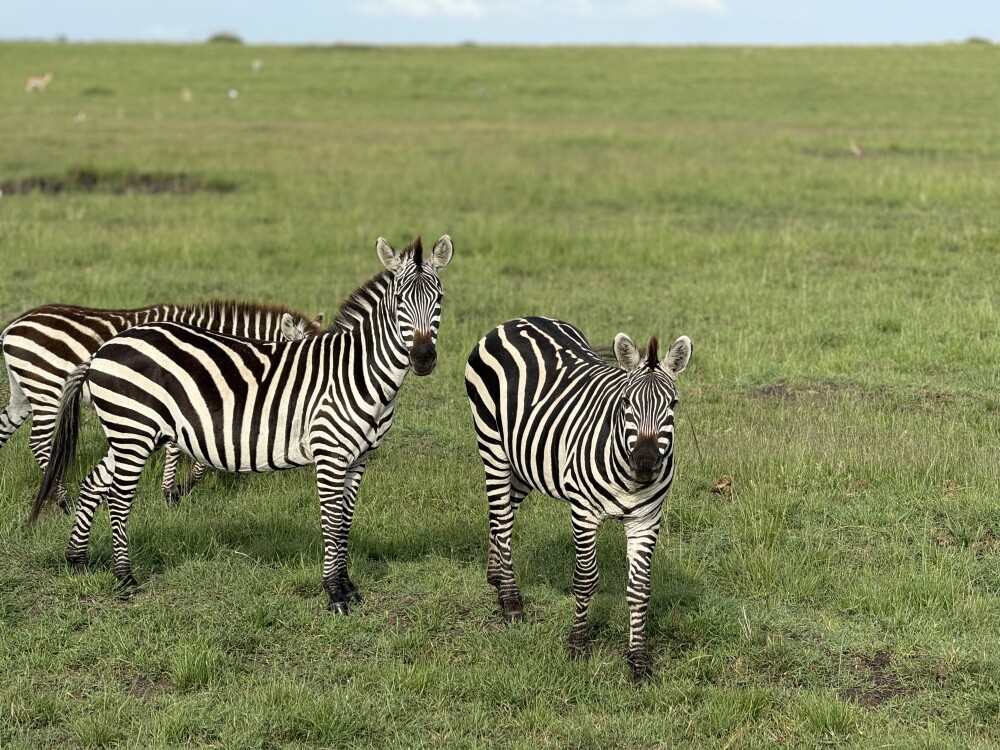
Grant's Zebra in the Masai Mara
Conservation Benefits of Year-Round Travel
Choosing to travel outside peak migration periods also supports sustainable tourism.
Year-round visitation helps create stable employment for local communities, support conservation initiatives, reduce seasonal pressure on ecosystems and generate consistent revenue for wildlife protection. By spreading tourism throughout the year, travelers contribute to healthier conservation models and stronger local economies.
Why Beyond the Migration Is the Future of Safari Travel
The Great Migration remains one of Africa's greatest wildlife spectacles. However, focusing solely on migration season means missing countless extraordinary experiences that occur throughout the rest of the year.
From lush green landscapes and newborn wildlife to exclusive game drives and exceptional value, a safari beyond the migration offers a richer, more personal connection to Africa's wilderness. Every season tells a different story. The rains bring renewal. The dry months concentrate wildlife around water sources. The breeding season introduces new life. Migratory birds fill the skies with color and movement. Africa never stands still.
The magic of safari is not confined to a few months on the calendar. It lives in every sunrise over the savannah, every lion's roar in the distance, every elephant crossing the plains, and every unforgettable encounter waiting beyond the migration.
Are you ready to discover Africa beyond the crowds?
Contact us today, book a discovery call and let us help you plan a safari that reveals the hidden beauty, exceptional wildlife, and unforgettable experiences that exist far beyond the Great Migration.