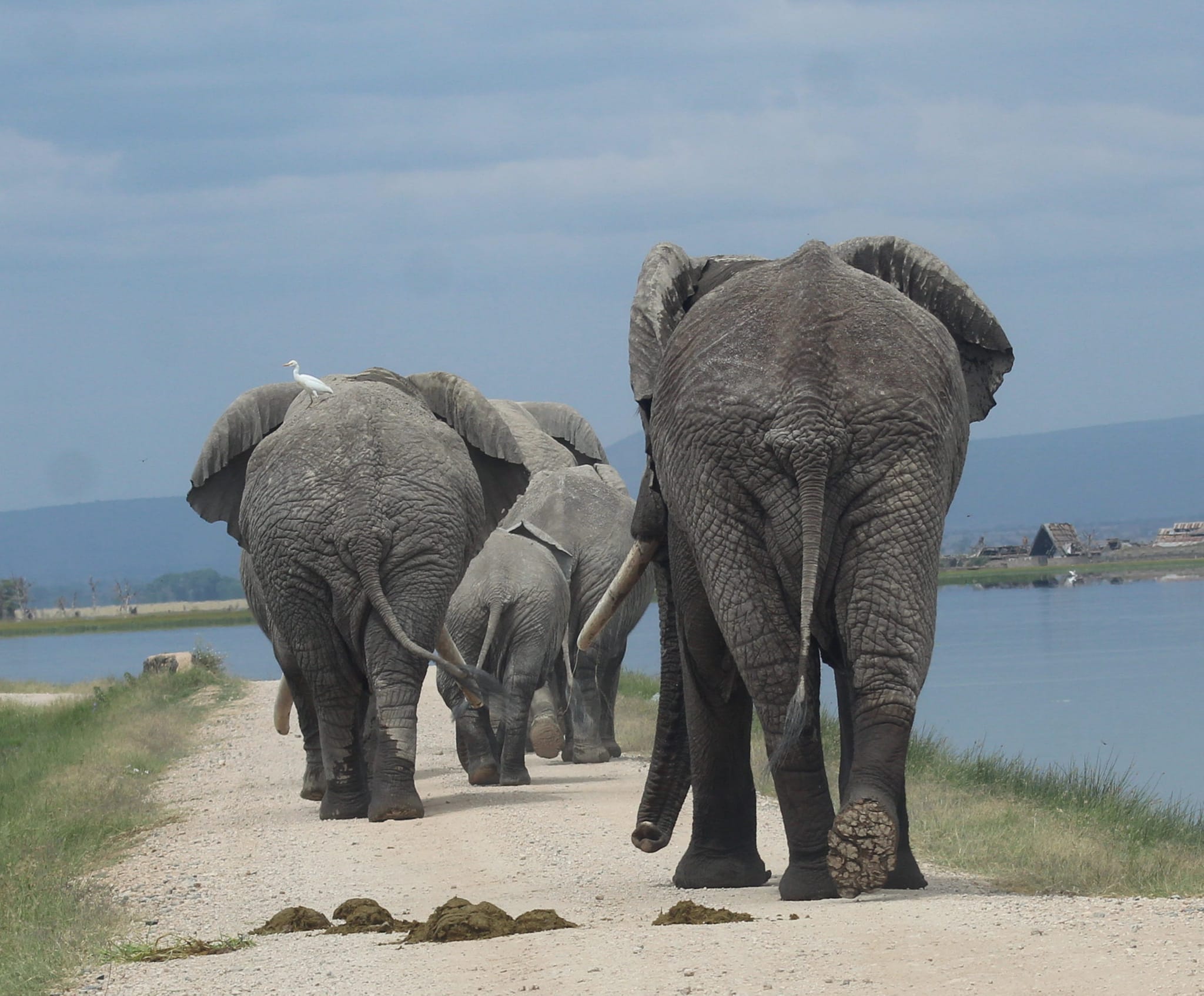
Elephants are famous for their incredible memories, but there's more to the story than the saying, "an elephant never forgets." This blog explores the science behind their remarkable brains, how memory helps them survive droughts, recognize family members, navigate vast landscapes, and avoid danger. It also reveals what elephant intelligence teaches us about social bonds, resilience, and why protecting these gentle giants is so important for the future of Africa's wildlife.
Elephant Memory: More Than Just a Myth
People often say that elephants never forget. Surprisingly, science supports this famous saying. Elephants possess one of the most remarkable memories in the animal kingdom. Their ability to remember places, individuals, and experiences helps them survive in challenging environments.
Moreover, their memory plays a critical role in maintaining family bonds and protecting future generations. As a result, elephants have become a symbol of wisdom, intelligence, and resilience across many cultures.
The Elephant Brain Is Built for Memory
Elephants have the largest brain of any land animal. In fact, an adult elephant's brain can weigh over five kilograms. More importantly, the areas responsible for learning and memory are highly developed. Because of this advanced brain structure, elephants can store information for many years. They can recall migration routes, watering holes, and even dangerous locations. Consequently, these memories often determine whether a herd thrives or struggles during harsh seasons.
Remembering Water Sources During Droughts
One of the most impressive examples of elephant memory appears during drought periods. Water becomes scarce, and survival depends on finding reliable sources.
Older matriarchs often lead their families to watering holes visited decades earlier. Although the landscape may have changed, they remember the exact locations. Therefore, their knowledge becomes invaluable when resources disappear. Without these memories, many herds would face severe challenges. Thus, experienced females play a vital leadership role within elephant societies.
Strong Family Bonds That Last a Lifetime
Elephants live in close-knit family groups led by a matriarch. These families remain connected through strong emotional relationships. Remarkably, elephants can recognize relatives even after years of separation. They remember voices, scents, and visual features. Furthermore, they greet familiar individuals with obvious excitement when they reunite.
This long-term social memory strengthens herd stability. At the same time, it helps elephants maintain cooperative relationships that benefit the entire group.